


This is the story of Grand Seiko. It is a story of vision, determination, commitment, innovation and, most of all, of the quiet, calm and utterly single-minded determination of two generations of watchmakers to create watches that are absolutely as good as they can possibly be. The first Grand Seiko appeared in 1960 but the story started long before and continues to unfold and gather pace today. Who knows? Perhaps the best is yet to come.
20170714_Pen9196.jpg)
The quartz era began on Christmas Day, 1969 when the Seiko Quartz Astron was first revealed and revolutionized watchmaking. In 1973, Seiko released the first LCD digital watch and, in 1977, the first solar analog watch. However advanced these developments undoubtedly were, they fell short of a dream long held by a young engineer at Seiko Epson called Yoshikazu Akahane. Having joined Seiko soon after the Quartz Astron’s launch, he saw the advantages of both quartz and mechanical watches and dreamed that, one day, he could create a watch that delivered the precision of quartz without being dependent on batteries, light, radio waves or any other power source or signal. His dream was of a watch that combined the very best of the two great timekeeping technologies, mechanical and quartz.
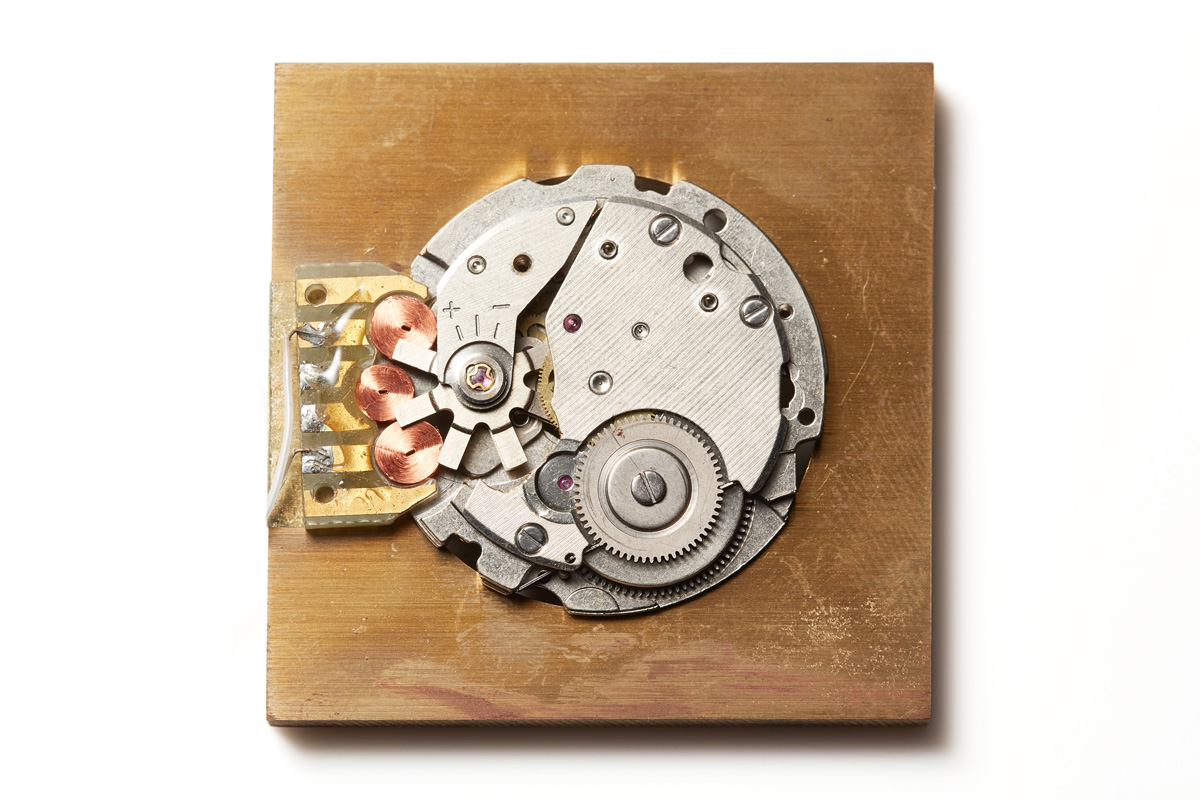
Based on Akahane’s ideas, Seiko Epson filed a patent for this technology in 1978, but he and his small team encountered extreme difficulty in bringing it to practical fruition. The problem was power.
In order to activate a quartz crystal using the power generated through a mechanical movement, the power generation efficiency had to be enhanced by a massive amount while at the same time the power consumption of the integrated circuit needed to be greatly reduced. To start with, progress was slow but thanks to advances made in other areas, including the creation of Seiko Kinetic in 1988, the impossible started to become foreseeable. From the late 1990s, the pace of the research and development progressed more rapidly and the company put its full resources into the project. What had started as one man’s dream was now a company-wide priority.
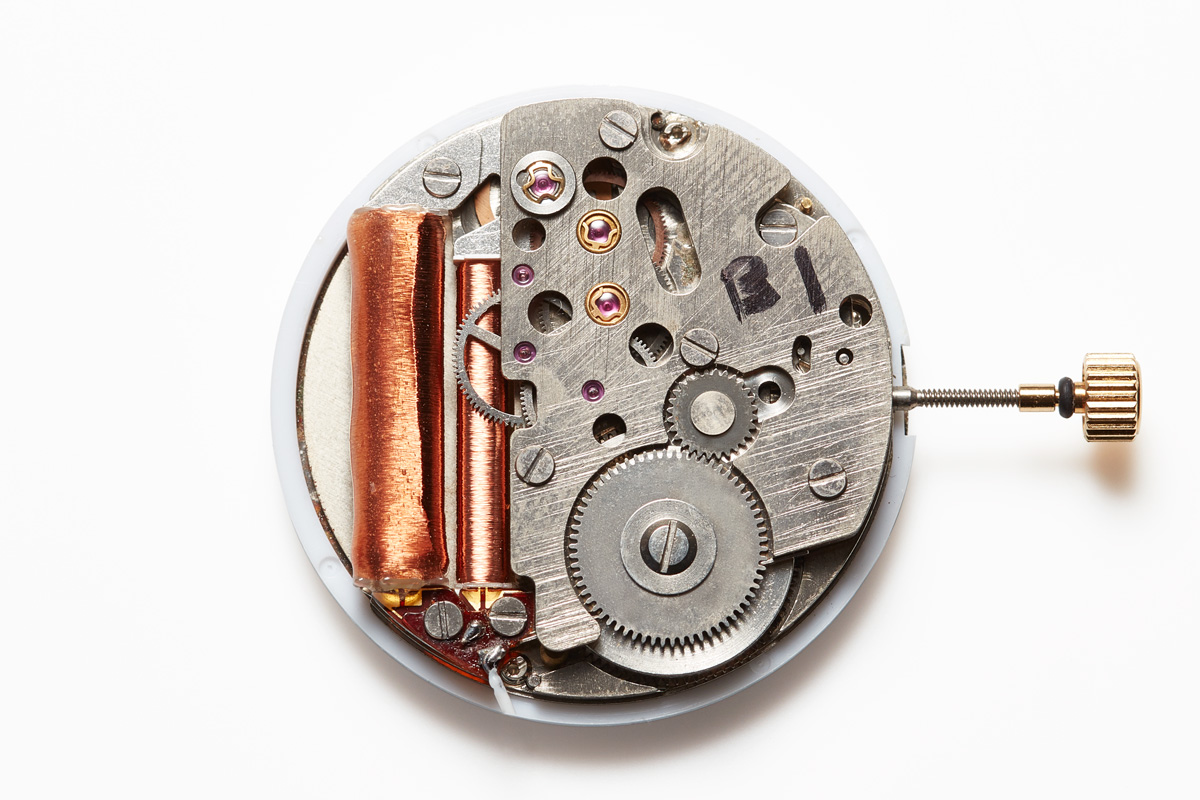
The watch that would be known as Spring Drive was to become a reality. Eighty percent of the components were exactly the same as in a high grade mechanical watch. Only the regulator was different and the name Tri-synchro regulator was given to it, highlighting the unique way in which three forms of energy, mechanical, electrical and electromagnetic, were harnessed to power the movement. In 1998, alas, Yoshikazu Akahane passed away, a year before his remarkable watch was unveiled and therefore, sadly, before his genius was recognized by the overwhelmingly positive reception that Spring Drive received. Other companies had tried, but only he and his team had succeeded.
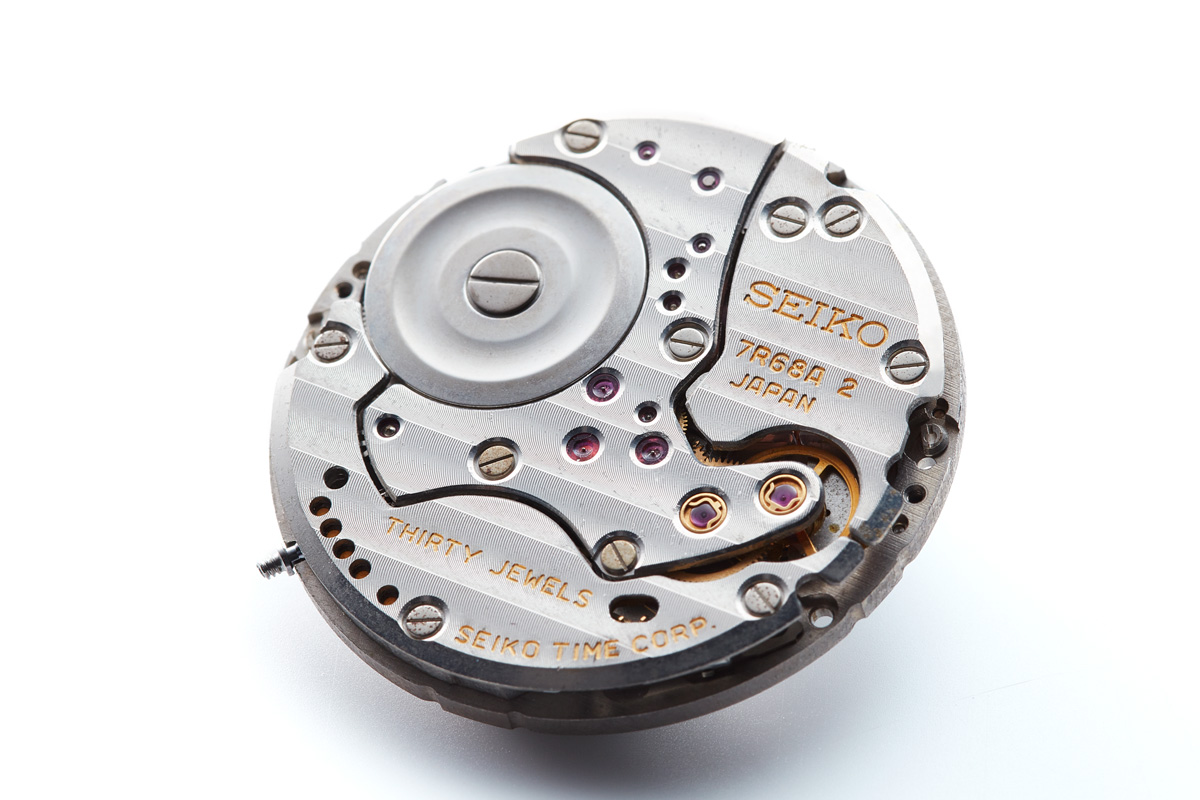
The first generation Spring Drive used a hand winding movement. The design team, however, had always set their sights higher and, to be worthy of the name Grand Seiko, it was felt that Spring Drive should have the capability to be wound automatically as well as manually. The team set to work to develop the 9R caliber which powers all Grand Seiko Spring Drive watches today.

The movement of the wrist winds a mainspring. The energy of the spring is converted to electricity which powers a quartz circuit that controls the rotational speed of the gears which move the hands. This mechanism is an entirely autonomous, high precision movement that bridges the great divide in watchmaking. Until Spring Drive, the highly prized autonomy of mechanical watches came at the price of relatively low timekeeping precision while the precision of quartz was only available in a watch that required a battery. Spring Drive resolved this dilemma and, at last, delivered the best of both watchmaking worlds.
Everything about the Spring Drive movement speaks of high technology and announces that it is a unique advance in the art of traditional watchmaking. The power reserve of 72 hours exceeded the level of nearly all single-barrel mechanical watches, thanks to the new, ultra-low power consumption IC. The Tri-synchro regulator was a revolutionary advance. At the same time, however, Spring Drive used the company’s traditional skills to the full. To enhance the energy efficiency, a traditional method of hand polishing the gears was revived. The Magic Lever, invented by the company in 1959, proved the most appropriate system of winding the mainspring because of its high efficiency. Thus, while at the cutting-edge, Spring Drive also proudly built upon the company’s history of traditional watchmaking.
20170630_Pen8282.jpg)
The automatic winding Spring Drive movement Caliber 9R65, exclusive to Grand Seiko, was incorporated in three versions, all released in September 2004.
Part of the engineering genius of the 9R Spring Drive caliber is that its extraordinary performance is achieved within the high and very strict design criteria of Grand Seiko. The hands are as long as on all mechanical Grand Seiko watches and are polished on five separate edges to ensure high legibility even in low light. The calendar window is large, the movement is slim and compact enough to be a delight to wear, whatever your wrist size, thanks to the inward slant of the case sides. In every respect, Caliber 9R makes possible the realization of all the exterior signature design features of Grand Seiko.
Through the exhibition case back, however, the uniqueness of Spring Drive shines clearly. The bridge and gear train are shaped to reflect the mountains around the Shinshu Watch Studio where every Spring Drive watch is assembled, by hand. Most distinctively, the glide wheel’s continuous and ever- precise motion is clearly visible and provides the movement with a signature quite as distinctive as the glide-motion second hand that sweeps the dial in its almost hypnotically perfect way.
20170630_Pen8355-2.jpg)
